
Introduction
App development for startups has become one of the most powerful ways to turn a simple idea into a successful business. Today, people use mobile apps for shopping, learning, entertainment, health, and even daily communication. Because of this growing demand, startups now see app development as a smart and scalable way to reach users quickly. However, building an app is not just about coding. It involves planning, research, design, testing, and continuous improvement.
For beginners and intermediate readers, app development for startups may feel complex at first. There are many decisions to make, such as choosing the right platform, features, budget, and development approach. Without proper guidance, startups can easily waste time and money. That is why understanding the basics of app development is so important before starting the journey.
This guide explains app development for startups in simple English, using clear examples and step-by-step explanations. It is written for founders, small business owners, and early-stage teams who want to build a reliable and user-friendly app. You will learn what app development means, why it matters, how to do it correctly, and what mistakes to avoid.
By the end of this article, you will have a clear picture of how app development for startups works and how you can use it to grow your business idea into a real product that users love.
What is App Development for Startups?
App development for startups is the process of planning, designing, building, testing, and launching a mobile or web application specifically for a new or growing business. The main goal is to create a digital product that solves a problem or meets a specific user need. Unlike large companies, startups usually work with limited budgets and small teams, so their development process must be efficient and focused.
In simple terms, app development for startups starts with an idea. This idea is then converted into features that users can interact with through an app. The app can be built for mobile devices, web browsers, or both. Startups often begin with a minimum viable product, also known as an MVP. An MVP includes only the core features needed to test the idea in the market.
Another key part of app development for startups is flexibility. Startups need to adapt quickly based on user feedback. This means the app is often updated and improved after launch. The development process is not a one-time task but an ongoing effort.
Overall, app development for startups focuses on speed, usability, and value. It helps startups turn ideas into real products while keeping costs under control and learning from users at every stage.
Why is App Development for Startups Important?
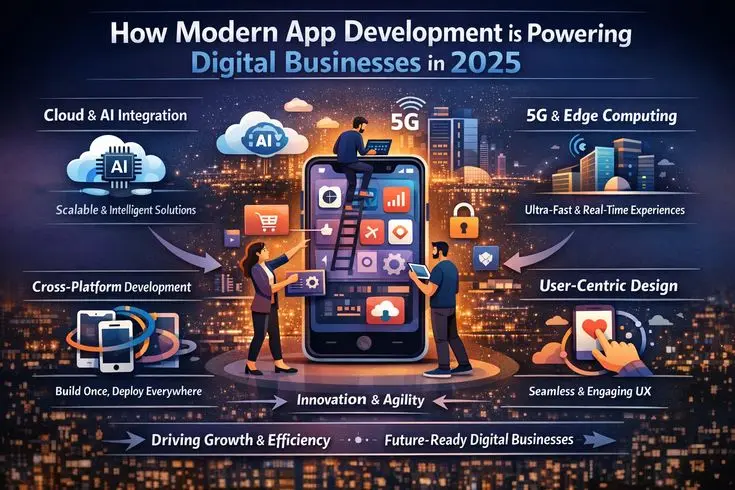
App development for startups is important because it helps new businesses compete in a digital-first world. Most customers today expect easy access to services through apps. If a startup does not offer a digital solution, it may lose potential users to competitors.
One major reason app development matters is visibility. An app allows startups to stay connected with users on their devices. This constant presence helps build brand awareness and trust over time. Apps also provide valuable data, such as user behavior and preferences, which startups can use to improve their services.
Another important factor is scalability. App development for startups allows businesses to grow without needing a large physical setup. A well-built app can serve thousands of users at the same time. This makes it easier for startups to expand into new markets.
Finally, app development supports innovation. Startups are known for creative ideas, and apps are a perfect way to bring those ideas to life. With the right development strategy, startups can test new features, improve user experience, and stay ahead in a competitive market.
Detailed Step-by-Step Guide
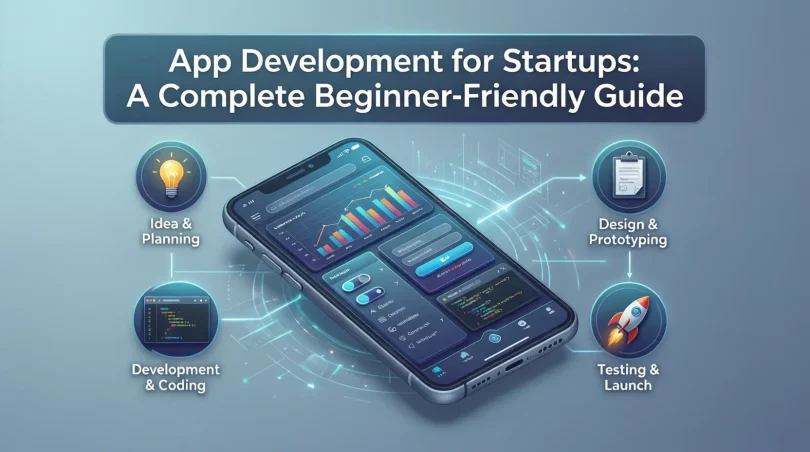
Step 1: Define Your App Idea Clearly
The first step in app development for startups is defining the app idea. Start by identifying a problem that users face. Then think about how your app can solve that problem better than existing solutions. Write down the main purpose of the app and the value it offers.
At this stage, avoid adding too many features. Focus on the core idea only. A clear and simple concept makes development easier and more effective.
Step 2: Research Your Target Audience
Understanding your target users is essential in app development for startups. Research who your users are, what they need, and how they currently solve the problem. This information helps you design features that users actually want.
You can conduct surveys, read online reviews, or study similar apps. The goal is to learn from real user behavior and expectations.
Step 3: Choose the Right Platform
Next, decide whether your app will run on Android, iOS, web, or all platforms. Each platform has its own advantages. For startups, choosing one platform first can save time and money.
Many startups begin with a single platform and expand later. This approach allows faster testing and feedback.
Step 4: Plan Features and User Flow
Feature planning is a critical part of app development for startups. List all the features your app will include. Then arrange them in a logical order that makes sense for users.
User flow shows how users move from one screen to another. A smooth flow improves user experience and keeps users engaged.
Step 5: Design the App Interface
Design focuses on how the app looks and feels. A clean and simple design helps users understand the app easily. In app development for startups, design should focus on usability rather than complex visuals.
Use consistent colors, readable text, and simple navigation. Good design builds trust and encourages users to keep using the app.
Step 6: Develop the App
Development is where the actual coding happens. This step turns designs and plans into a working app. Startups can choose between in-house development, freelancers, or development agencies.
During app development for startups, it is important to follow best coding practices. This ensures the app is stable, secure, and easy to update in the future.
Step 7: Test the App Thoroughly
Testing helps identify bugs and performance issues before launch. Test the app on different devices and screen sizes. Make sure all features work as expected.
User testing is also valuable. Real users can provide feedback that developers may miss.
Step 8: Launch and Improve
After testing, the app is ready for launch. However, app development for startups does not end here. Collect user feedback and monitor app performance.
Use this data to fix issues, add improvements, and release updates regularly. Continuous improvement helps the app grow and succeed.
Benefits of App Development for Startups
- Helps startups reach users quickly and effectively
- Improves brand visibility and customer engagement
- Allows easy scalability with business growth
- Provides valuable user data and insights
- Supports innovation and rapid testing of ideas
- Enhances customer convenience and satisfaction
Disadvantages / Risks
- High initial development costs for some startups
- Technical issues can affect user experience
- Poor planning may lead to wasted resources
- Security risks if not handled properly
- Strong competition in app markets
Common Mistakes to Avoid
Many startups fail in app development because of avoidable mistakes. One common mistake is building too many features at once. This increases complexity and delays launch. Instead, focus on essential features first.
Another mistake is ignoring user feedback. App development for startups should be user-driven. Not listening to users can result in low engagement and poor reviews.
Poor testing is also a major issue. Launching an app with bugs damages credibility. Always test thoroughly before release.
Finally, some startups underestimate ongoing costs. App development includes maintenance and updates. Planning for long-term support is essential for success.
FAQs
What is the best approach to app development for startups?
The best approach is to start with an MVP. This allows startups to test their idea quickly, gather feedback, and improve without spending too much money at the beginning.
How long does app development for startups take?
The timeline depends on app complexity. A simple app may take a few months, while a more complex one can take longer. Proper planning helps reduce delays.
Is app development for startups expensive?
Costs vary based on features, platform, and team. Startups can control costs by focusing on core features and using efficient development methods.
Should startups build apps in-house or outsource?
Both options have pros and cons. In-house teams offer better control, while outsourcing can reduce costs. The choice depends on budget and expertise.
How important is design in app development for startups?
Design is very important because it affects user experience. A well-designed app is easier to use and more likely to succeed.
Can app development help startups grow faster?
Yes, app development for startups supports growth by reaching more users, improving engagement, and enabling scalable business models.
Expert Tips & Bonus Points
Always start small and think long-term. App development for startups works best when goals are realistic and flexible. Focus on solving one problem really well instead of trying to do everything.
Keep communication clear within your team. Regular updates and feedback sessions improve efficiency. Also, track app performance after launch to understand user behavior.
Finally, stay patient. Success in app development does not happen overnight. Continuous learning and improvement are key to building a successful startup app.
Conclusion
App development for startups is a powerful tool that can transform an idea into a successful digital product. In today’s competitive market, having a well-planned and user-focused app gives startups a strong advantage. From defining the idea to launching and improving the app, each step plays an important role in long-term success.
For beginners and intermediate readers, the key takeaway is simplicity and focus. App development for startups does not require perfection at the start. It requires clear goals, smart planning, and a willingness to learn from users. By starting with an MVP and improving based on feedback, startups can reduce risks and build better products.
In the end, app development is a journey, not a one-time task. With the right mindset and strategy, startups can use app development to grow, innovate, and connect with users in meaningful ways. When done correctly, it becomes a foundation for sustainable business success.