
Introduction
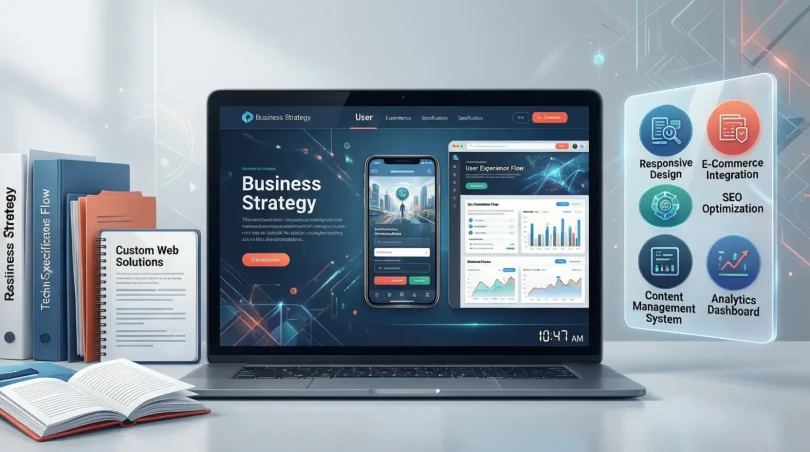
In today’s fast-changing digital world, businesses need more than just an online presence. They need smart, flexible, and growth-focused digital platforms that truly support their goals. This is where custom web solutions for business become important. Instead of using ready-made templates, custom solutions are designed specifically for your business needs, workflows, and customers. They help companies stand out, work efficiently, and scale smoothly over time.
Many beginners think a website is only about design. In reality, a business website is a powerful tool that can automate tasks, improve customer experience, and increase revenue. From small startups to growing enterprises, companies are now choosing tailored web solutions to stay competitive. Custom development allows full control over features, performance, and security, which is often missing in generic platforms.
Moreover, customer expectations are higher than ever. Users want fast loading pages, simple navigation, and personalized experiences. A custom-built website makes this possible by aligning technology with real business needs. It supports branding, integrates with existing systems, and adapts easily to future changes.
This article explains custom web solutions for business in simple language. You will learn what they are, why they matter, how to build them step by step, and what mistakes to avoid. Whether you are a beginner or have basic knowledge, this guide will help you make informed decisions for long-term success.
What Is Custom Web Solutions for Business?
Custom web solutions for business refer to websites or web applications that are built from scratch to meet specific business requirements. Unlike ready-made templates or website builders, custom solutions are planned, designed, and developed based on your unique goals, audience, and operations.
These solutions can include business websites, eCommerce platforms, customer portals, booking systems, dashboards, and internal tools. Every feature is created to solve a real business problem rather than fitting into a fixed structure.
Custom development focuses on flexibility and performance. Businesses can choose their preferred technologies, layouts, and integrations. This approach ensures the website works exactly the way the business needs it to work.
In simple words, custom web solutions for business are tailor-made digital tools that help companies operate better, serve customers well, and grow faster.
Why Is Custom Web Solutions for Business Important?
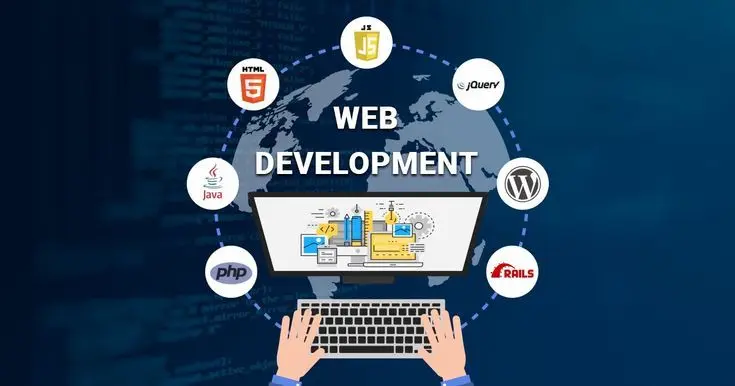
Custom web solutions for business are important because no two businesses are the same. Each company has different goals, customers, and processes. A custom website supports these differences instead of limiting them.
First, custom solutions improve efficiency. They automate tasks like data entry, order processing, or customer management. This saves time and reduces errors.
Second, they enhance user experience. Visitors get a smooth, fast, and relevant experience, which increases trust and engagement. Happy users are more likely to become loyal customers.
Third, custom development supports long-term growth. As your business grows, your website can be updated without rebuilding everything. This flexibility makes custom solutions a smart investment.
Finally, security is stronger in custom systems. You control data handling and protection methods, which is critical for business credibility.
Detailed Step-by-Step Guide
Step 1: Define Business Goals
Start by clearly defining what you want from your website. Identify problems you want to solve and results you want to achieve.
Examples include:
- Increasing online sales
- Managing customers efficiently
- Improving brand image
- Automating internal processes
Clear goals guide the entire development process.
Step 2: Understand Your Target Audience
Knowing your users is essential. Study their needs, behavior, and preferences.
Consider:
- Age group and location
- Devices they use
- Problems they want to solve
- Expectations from your website
This helps design a user-friendly and effective solution.
Step 3: Plan Features and Functionality
List all features your website needs. Focus on value, not quantity.
Common features include:
- Contact forms
- Payment gateways
- User accounts
- Admin dashboards
- Search functionality
Each feature should support a business goal.
Step 4: Choose the Right Technology Stack
Select technologies based on performance, security, and scalability.
This includes:
- Frontend frameworks
- Backend languages
- Databases
- Hosting environment
The right stack ensures smooth operation and future growth.
Step 5: Design User Experience and Interface
Design should be simple, clear, and consistent with your brand.
Focus on:
- Easy navigation
- Fast loading
- Mobile responsiveness
- Clear call-to-action buttons
Good design improves user satisfaction and conversions.
Step 6: Development and Integration
Develop the website according to the plan. Integrate third-party tools if needed.
This may include:
- Payment systems
- CRM software
- Email tools
- Analytics platforms
Testing is done during development to ensure quality.
Step 7: Testing and Quality Assurance
Before launch, test everything carefully.
Check for:
- Bugs and errors
- Security issues
- Performance speed
- Compatibility across devices
Proper testing ensures a reliable final product.
Step 8: Launch and Monitoring
After testing, launch the website. Monitor performance and user behavior.
Use feedback to:
- Fix issues
- Improve features
- Optimize performance
Continuous improvement is key to success.
Benefits of Custom Web Solutions for Business
- Fully tailored to business needs
- Better performance and speed
- Stronger security and data control
- Improved user experience
- Easy integration with existing systems
- Scalability for future growth
- Unique brand identity
- Long-term cost efficiency
Disadvantages / Risks
- Higher initial development cost
- Longer development time
- Requires clear planning
- Needs regular maintenance
- Dependence on skilled developers
Common Mistakes to Avoid
One common mistake is unclear goals. Without clear objectives, the project may lose direction.
Another mistake is ignoring user experience. A feature-rich website is useless if users find it confusing.
Many businesses also try to add too many features at once. This increases cost and complexity.
Skipping proper testing is another risk. Bugs and security issues can harm reputation.
Lastly, not planning for future growth can limit the website’s usefulness over time.
FAQs
What types of businesses need custom web solutions?
Any business that wants flexibility, scalability, and better control can benefit. This includes startups, service providers, online stores, and enterprises.
Are custom web solutions expensive?
They may cost more initially, but they offer better value in the long run through efficiency and scalability.
How long does development take?
Development time depends on complexity. Simple solutions may take weeks, while complex systems may take months.
Can custom solutions integrate with other tools?
Yes, they can integrate with CRM systems, payment gateways, and other business tools easily.
Are custom websites secure?
They are generally more secure because security measures are designed specifically for the system.
Can a custom website be updated later?
Yes, custom solutions are built to be flexible and can be updated as business needs change.
Expert Tips & Bonus Points
Always start with a clear roadmap before development. This keeps the project focused and cost-effective.
Choose experienced developers who understand business needs, not just coding.
Keep the design simple and user-focused. Simplicity improves engagement.
Plan for maintenance and updates from the start.
Track performance after launch and use data to improve continuously.
Conclusion
Custom web solutions for business offer a powerful way to build strong digital foundations. Instead of adjusting your business to fit a generic platform, custom development allows technology to adapt to your goals. This approach improves efficiency, enhances user experience, and supports long-term growth.
Although the initial investment may be higher, the benefits outweigh the costs over time. Businesses gain flexibility, better security, and full control over their digital assets. A custom solution grows with your company and supports changing market demands.
In a competitive digital environment, standing out is essential. Custom web solutions for business help you create unique, reliable, and scalable platforms that truly represent your brand. With proper planning, expert execution, and ongoing improvement, a custom website becomes more than a tool. It becomes a valuable business asset that drives success and builds lasting customer relationships.